Do I Need a Root Canal or an Extraction? How to Decide
You’re in pain — your dentist says the tooth is infected or badly damaged — and now you’re facing a decision:
“Should I try to save the tooth with a root canal… or just remove it?”
At SmileBay Dental Penang, this is one of the most common questions we get. And the answer? It depends on your tooth, your goals, and your overall oral health.
Let’s break down what each option means — and how to make the best choice for your long-term smile.
What Is a Root Canal?
A root canal is a dental procedure that removes infected or inflamed pulp (the soft tissue inside your tooth), then cleans and seals the inside.
The goal is to save your natural tooth and avoid extraction.
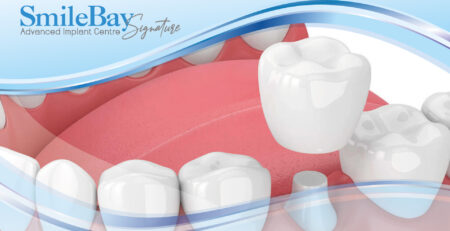
After the root canal, the tooth is usually restored with a dental crown to protect it.
Root canals are recommended when:
-
The tooth is badly decayed but still restorable
-
There’s pain, swelling, or sensitivity to hot/cold
-
There’s an abscess or infection at the root
-
The tooth has had trauma but is not structurally lost
With modern technology, root canals are comfortable and highly successful.
What Is a Tooth Extraction?
An extraction means the tooth is removed completely from the socket.
This may be necessary if:
-
The tooth is cracked below the gum line
-
The decay is too advanced to restore
-
There is severe bone loss or mobility
-
The tooth is impacted (like wisdom teeth)
-
You prefer a quicker, simpler option
After extraction, we’ll recommend options to replace the missing tooth, such as:
-
Dental implant
-
Dental bridge
-
Partial denture
Root Canal vs Extraction: Pros & Cons
| Feature | Root Canal Treatment | Tooth Extraction |
| Goal | Save the natural tooth | Remove the tooth entirely |
| Procedure | Cleaning & sealing | Simple or surgical removal |
| Recovery Time | 1-2 days | 2-7 days |
| Need for crown | Yes (to protect tooth) | No (but may need replacement) |
| Long-term cost | May be lower if crown lasts | May be higher if implant needed |
| Jawbone health | Maintained | Bone loss likely if not replaced |
If the tooth can be saved, a root canal is usually the healthier, longer-term choice.
What We Recommend at SmileBay
At SmileBay Dental Penang, we always start with:
-
A detailed clinical exam
-
Honest advice on whether your tooth can be saved
If a root canal is possible and safe, we’ll explain how it works — and how we make it gentle and efficient.
If extraction is the better option, we’ll walk you through tooth replacement options so you’re never left with a gap unless you choose to.
What Happens After Either Procedure?
-
After a root canal, we’ll place a crown to protect the tooth and restore strength
-
After an extraction, we’ll discuss options to replace the tooth to prevent shifting, bone loss, or bite imbalance
Tooth replacement options include:
-
Dental implant (most natural, long-lasting)
-
Dental bridge (non-surgical, fast)
-
Removable denture (budget-friendly)
Not Sure What to Do? Let Us Help You Decide
You don’t have to make this decision alone. At SmileBay, we take the time to explain every option, answer your questions, and help you choose what’s best for you.
📍 SmileBay Dental Clinics
📲 Message us on WhatsApp to schedule a root canal vs extraction consultation.
Frequently Asked Questions (FAQs)
Q: Is a root canal painful?
A: No — with modern techniques and anaesthesia, most patients feel little to no discomfort during the procedure.
Q: How long does a root canal last?
A: With a crown and good care, root canal-treated teeth can last 10–15+ years.
Q: What happens if I don’t replace a tooth after extraction?
A: The surrounding teeth can shift, your bite can change, and bone loss may occur.
Q: Which option is cheaper?
A: Extraction may seem cheaper initially, but long-term replacement (like implants) can cost more than a root canal + crown.